Understanding Nurse Practitioner Practice in California: What NP 103 and NP 104 Really Mean
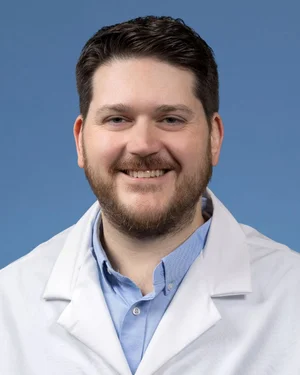
By Brett Mendez, MS, APRN, NNP‑BC • VitalStart Pediatrics, A Professional Nursing Corporation
As healthcare evolves, so do the roles of the professionals who care for patients and families. In California, recent legislation has expanded how Nurse Practitioners (NPs) can practice, but the terminology can be confusing. You may have heard terms like NP 103, NP 104, or full practice authority, and wondered what they actually mean for your care.
Who Are Nurse Practitioners?
Nurse Practitioners are advanced practice registered nurses with graduate-level education (master’s or doctoral degrees), national board certification, and extensive clinical training. NPs are licensed to:
Diagnose and treat medical conditions
Prescribe medications
Order and interpret tests
Provide preventive and primary care
Manage acute and chronic illnesses
Many NPs, like physicians, specialize in areas such as pediatrics, neonatal care, family medicine, or acute care.
What Changed in California?
In 2020, California passed Assembly Bill 890, which created two pathways for Nurse Practitioner practice: NP 103 and NP 104. These pathways went into effect in 2023 and were designed to safely expand access to care, especially in areas facing provider shortages.
NP 103: Independent Practice with Collaboration
NP 103 allows Nurse Practitioners to practice without physician supervision, but with a formal collaborative agreement.
This means:
The NP practices independently day-to-day
There is a physician collaborator available for consultation
The NP does not require direct oversight or chart co-signatures
The NP can open and operate a clinic under this model
Many NP-led practices in California currently operate under NP 103.
Think of NP 103 as:
Independent practice with a professional safety net
NP 104: Full Practice Authority
NP 104 represents full practice authority in California.
To qualify, an NP must:
Complete at least 3 years (4,600 hours) of qualifying clinical practice
Practice under standardized procedures or collaboration during that period
Meet all Board of Registered Nursing requirements
Once approved, an NP 104 can:
Practice fully independently
Diagnose, treat, and prescribe without physician involvement
Open and operate a practice without a collaborative agreement
Think of NP 104 as:
Full autonomy, similar to how NPs practice in many other states
Does This Affect Quality of Care?
Short answer: No, and evidence supports that.
Decades of research show that Nurse Practitioners provide high-quality, safe, patient-centered care, with outcomes comparable to physicians in primary and specialty settings. NP 103 and NP 104 pathways did not lower standards, they formalized experience-based progression while maintaining strict licensure and certification requirements.
Why This Matters for Patients and Families
Understanding NP roles helps you make informed choices about your care.
What this means for you:
More access to care
Shorter wait times
High-quality, relationship-based healthcare
Providers trained to focus on prevention, education, and whole-family care
Whether an NP practices under NP 103 or NP 104, both models prioritize safety, accountability, and evidence-based practice.
Nurse Practitioner–Led Care: A Growing Model
Across California and the U.S., NP-led clinics are expanding access to care, especially for children, families, and medically complex patients. These clinics combine clinical expertise with a nursing foundation rooted in education, advocacy, and holistic care.
At our clinic, we believe families deserve clear information, transparent care models, and providers they trust. Understanding how Nurse Practitioners are licensed and regulated is part of that commitment.
Final Thoughts
Healthcare doesn’t need to be confusing, and neither should the credentials of the people caring for you.
If you have questions about Nurse Practitioner care, practice authority, or what model is right for your family, we’re always happy to talk.
Because informed patients are empowered patients.
Frequently Asked Questions (FAQ)
Can a Nurse Practitioner be my child’s primary care provider (PCP)?
Yes. In California, Nurse Practitioners can serve as a child’s primary care provider. NPs are trained to manage well-child visits, acute illnesses, chronic conditions, developmental concerns, and preventive care, just like other primary care clinicians.
What’s the difference between NP 103 and NP 104 from a patient perspective?
From a patient’s point of view, very little changes in day-to-day care.
Both NP 103 and NP 104 NPs are fully licensed, board-certified providers
Both can diagnose, prescribe, and treat
Both follow evidence-based guidelines and professional standards
The difference is mostly administrative, not clinical, it affects how the NP’s practice is structured behind the scenes.
Does NP 103 mean the NP needs permission to treat me or my child?
No.
Under NP 103, the NP practices independently and does not need day-to-day physician approval, chart co-signatures, or supervision. A physician collaborator is available for consultation if needed, but your care is directed by the NP.
Is NP 104 “better” than NP 103?
Not necessarily, they are different pathways, not different skill levels.
NP 104 reflects additional verified experience and allows full autonomy. Many highly experienced and expert NPs practice under NP 103 by choice or circumstance. Both pathways require rigorous education, certification, and licensure.
Are Nurse Practitioners as qualified as physicians?
Nurse Practitioners and physicians have different training models, but both are highly trained healthcare professionals.
Physicians train through a medical model
Nurse Practitioners train through a nursing model that emphasizes prevention, education, and whole-person care
Research consistently shows that NPs provide safe, high-quality care with patient outcomes comparable to physicians in primary and specialty settings.
Can an NP-led clinic prescribe medications and order labs or imaging?
Yes.
Nurse Practitioners in California can:
Prescribe medications (including controlled substances)
Order labs, imaging, and diagnostic tests
Refer to specialists
Manage ongoing medical conditions
These abilities are part of NP licensure, not dependent on practice pathway.
Will my insurance cover care provided by a Nurse Practitioner?
In most cases, yes.
Most private insurance plans, Medicaid (Medi-Cal), and employer-based plans recognize Nurse Practitioners as primary care providers. Coverage details vary by plan, so it’s always a good idea to confirm directly with your insurer.
Why are NP-led clinics becoming more common?
NP-led clinics help address:
Provider shortages
Long wait times for appointments
Gaps in pediatric and primary care access
They also tend to emphasize longer visits, education, and collaborative decision-making, things many families value.
What should I look for when choosing a Nurse Practitioner provider?
Consider:
Board certification and specialty training
Experience with your child’s age or condition
Communication style and approach to care
Whether the provider welcomes questions and shared decision-making
Credentials matter, but trust and connection matter too.